Whether you're opening a new storefront in San Francisco, rebranding an office in San Jose, or expanding a restaurant across multiple Bay Area locations, commercial signage is one of the most important and most overlooked investments a business makes. It's often the first physical touchpoint a customer has with your brand, and it continues working for your business every single day, long after a single ad campaign ends.
This guide covers everything Bay Area business owners should understand about commercial signage: the types available, permitting considerations, materials, ADA requirements, and how to plan a signage project from concept to installation.
This guide provides general information about commercial signage. Permitting requirements vary by city and jurisdiction always confirm current rules with your local building department or a sign company experienced in your specific area.
Why Commercial Signage Matters for Bay Area Businesses
The Bay Area is one of the most competitive commercial markets in the country, with dense foot traffic, high visibility corridors, and businesses constantly vying for attention. In this environment, signage does real, measurable work:
- First impressions - signage often shapes a customer's perception of your business before they ever step inside.
- Wayfinding and accessibility - helping customers, clients, and visitors find and navigate your location.
- Brand consistency - reinforcing your identity across multiple locations or touchpoints.
- Around-the-clock marketing - unlike digital ads, a well-placed sign works continuously, with no ongoing spend per impression.
For businesses across San Francisco, San Jose, Oakland, and the surrounding Bay Area, the right signage strategy can meaningfully affect foot traffic and brand recognition.
Types of Commercial Signage
Exterior Building Signs
The most visible representation of your brand, exterior signs typically fall into a few main categories:
- Illuminated channel letters - Individually formed, backlit or front-lit letters that offer strong visibility day and night.
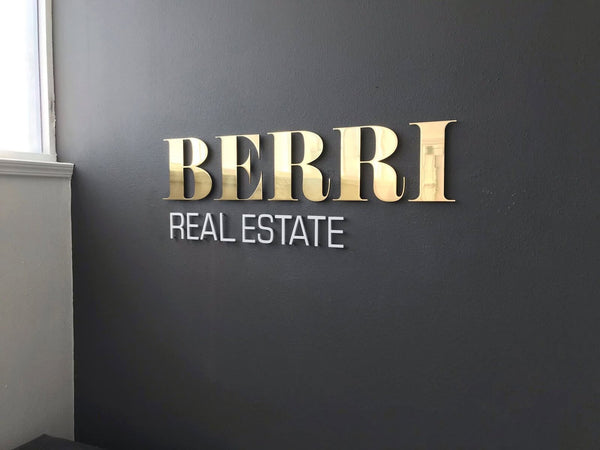
- Dimensional and 3D letters - Non-illuminated or illuminated letters that add depth and a premium look to a storefront or lobby.
- Monument signs - Freestanding signs often used for office parks, retail centers, or businesses set back from the street.
- Blade and projecting signs - Signs mounted perpendicular to a building, designed to catch the eye of pedestrians walking along a sidewalk.
- Awning signage - Branding incorporated into an awning structure, common for retail and restaurant storefronts.
Window and Door Graphics
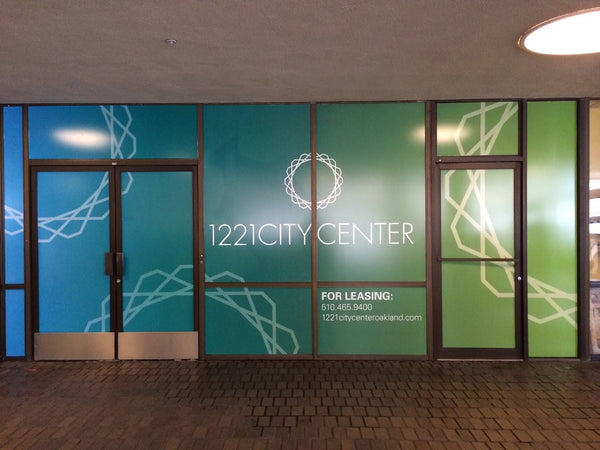
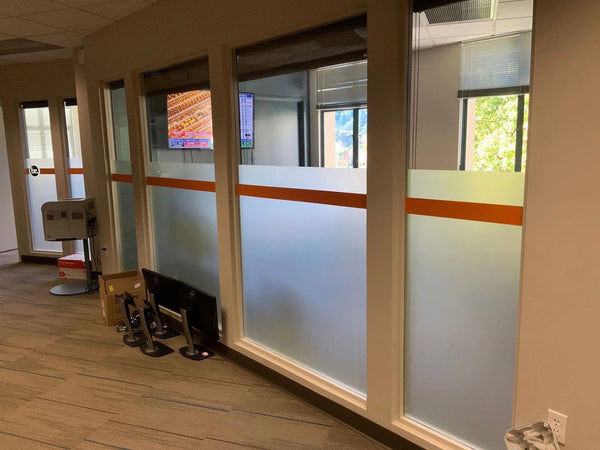
Window graphics are among the most cost-effective ways to add branding, hours, promotions, or privacy film to a storefront. They're relatively easy to update, making them a good fit for seasonal promotions or limited-time messaging without the cost of replacing permanent signage.
Interior Signage
Interior signage supports both branding and functionality:
- Lobby and reception signage - often dimensional letters or logo walls that reinforce brand identity at a business's main entry point.
- Wayfinding signage - directional signs for larger offices, healthcare facilities, or multi-tenant buildings.
- Wall graphics and murals - used to reinforce brand story or add visual interest to a space.
- ADA-compliant signage - required in many commercial spaces for restrooms, room identification, and accessible routes.
Vehicle Graphics and Wraps
For businesses with a service fleet contractors, delivery services, mobile businesses vehicle graphics turn everyday driving into ongoing brand exposure, often at a lower cost per impression than traditional advertising.
Banners and Temporary Signage
Useful for grand openings, promotions, or events, banners and A-frame signs offer flexible, lower-cost signage options that can be updated frequently.
LED and Digital Signage
Digital displays offer the ability to update pricing, promotions, or messaging without reprinting, making them popular for retail, restaurants, and businesses with frequently changing offers.
Choosing the Right Materials
Material selection affects durability, cost, and how a sign performs in specific conditions — an important consideration given the Bay Area's varied microclimates, from coastal fog in San Francisco to warmer inland conditions in San Jose.
| Material | Common Use | Notes |
|---|---|---|
| Aluminum | Exterior building signs, panels | Durable, weather-resistant, common for long-term exterior use |
| Acrylic | Channel letters, dimensional signs | Versatile, works well illuminated or non-illuminated |
| Vinyl | Window graphics, banners | Cost-effective, easy to update or replace |
| Wood | Hand-painted signs, rustic branding | Adds warmth and craftsmanship, common for cafes and boutique retail |
| PVC/Sintra | Interior signage, temporary displays | Lightweight, cost-effective for indoor use |
| Metal (brushed/dimensional) | Lobby signage, upscale branding | Premium look, often paired with backlighting |
A knowledgeable sign company can help match material choice to your specific location, budget, and durability needs.
Signage Permitting Across the Bay Area
This is one of the most important and most commonly underestimated parts of any commercial signage project. Nearly every city in the Bay Area requires permits for exterior signage, but the specific requirements vary significantly by jurisdiction:
- San Francisco has specific rules around illuminated signage, projecting signs over public sidewalks, and additional review in historic districts.
- San Jose and surrounding South Bay cities often have zoning-based signage codes tied to building type and commercial corridor.
- Oakland and other East Bay cities may have design review processes for certain commercial districts.
Permitting can affect sign size, illumination, placement, and even the type of structure allowed on a given building. Skipping this step or assuming a design will automatically be approved is one of the most common causes of project delays. Working with a sign company experienced in your specific city's requirements can help avoid costly redesigns or rejected applications.
ADA Compliance for Commercial Signage
Many interior commercial signs are legally required to meet ADA (Americans with Disabilities Act) accessibility standards, including:
- Specific character height, font, and contrast requirements
- Braille and tactile lettering for permanent room identification signs (like restrooms and exit routes)
- Proper mounting height and location near doorways
ADA signage requirements typically apply to permanent interior signage identifying rooms and spaces, rather than temporary or promotional signage. Non-compliant signage can create legal exposure for a business, making this an area worth getting right from the start rather than retrofitting later.
Planning a Commercial Signage Project: Step by Step
- Define your goals - Are you prioritizing visibility, brand consistency, wayfinding, or a full rebrand? Your goals shape every decision that follows.
- Consult with a sign company - A knowledgeable local provider can advise on what's realistic for your building, budget, and local permitting environment.
- Design and mockups - Review proposed designs, materials, and renderings before committing to production.
- Permitting - Your sign company should handle or guide you through the permitting process specific to your city.
- Fabrication - Production timelines vary based on sign complexity, materials, and illumination requirements.
- Installation - Professional installation ensures signage meets code, is properly secured, and functions as designed (especially for illuminated signage requiring electrical work).
- Maintenance - Illuminated and exterior signage benefit from periodic maintenance to stay looking sharp and functioning properly over time.
How Much Does Commercial Signage Cost?
Costs vary widely depending on sign type, size, materials, and illumination. Generally:
- Window and vinyl graphics tend to be the most budget-friendly entry point for branding.
- Dimensional and channel letter signs represent a mid-to-premium investment, depending on size and illumination.
- Monument signs and large-scale exterior installations involve the highest costs, given structural, electrical, and permitting complexity.
A reputable sign company should be able to provide a clear, itemized quote based on your specific project vague or unusually low estimates are often a sign of missing permitting support, thinner materials, or subcontracted installation.
Choosing the Right Signage Partner for Your Bay Area Business
When evaluating sign companies for a commercial project, look for:
- Full-service capability - design, permitting, fabrication, and installation under one roof
- Local experience - familiarity with permitting requirements in your specific Bay Area city
- A varied portfolio - evidence they can execute across different sign types and industries
- Transparent, itemized pricing
- Clear communication and a single point of contact throughout the project
How Martin Sign Company Supports Bay Area Businesses
Martin Sign Company has designed, fabricated, and installed custom commercial signage for businesses across San Francisco and the broader Bay Area since 2012. Our in-house team manages the full process design, permitting, fabrication, quality control, and installation for illuminated channel letters, dimensional signage, window graphics, ADA-compliant interior signs, murals, and more. We've worked across more than 100 industries, from restaurants and retail to medical practices and office spaces, bringing hands-on craftsmanship to every project.
Contact Martin Sign Company today for a personalized consultation, and let's build a signage plan that fits your business, your building, and your budget.
Frequently Asked Questions
What types of commercial signs are most common for Bay Area businesses? Illuminated channel letters, dimensional letters, window graphics, monument signs, and interior wayfinding signage are among the most common types used by Bay Area businesses, depending on the storefront and industry.
Do I need a permit for commercial signage in the Bay Area?
In most cases, yes. Nearly every Bay Area city requires permits for exterior signage, and requirements vary by jurisdiction, illumination type, and building location — a local sign company can help navigate this process.
Is ADA-compliant signage legally required?
Yes, in most cases for permanent interior signage identifying rooms, restrooms, and accessible routes. Requirements include specific character height, contrast, and Braille/tactile elements.
How much does commercial signage cost?
Costs vary significantly based on sign type, size, materials, and illumination — window graphics tend to be the most affordable option, while large illuminated or monument signs represent a higher investment.
How long does a commercial signage project take from start to finish?
Timelines depend on permitting complexity, sign type, and fabrication requirements, but a good sign company should provide a realistic estimate upfront based on your specific project.