In a crowded restaurant market, your signage is often doing more marketing work than any single ad or social post. It's the first impression a hungry passerby gets and in the few seconds it takes someone to decide whether to walk in, glance at your menu, or keep walking, your sign is making the case for you.
Whether you're opening a new restaurant or refreshing signage for an existing one, here's a practical look at what actually works and why.
Why Restaurant Signage Matters So Much
Restaurants compete for attention in a way few other businesses do. Someone deciding where to eat is often making a fast, instinctive decision based on visual cues alone: Does this place look appealing? Can I tell what kind of food they serve? Does it match the mood I'm in? Signage answers those questions before a customer ever reads a review or a menu.
Good restaurant signage does three things at once:
- Grabs attention in a busy visual environment
- Communicates identity - cuisine type, price point, and atmosphere at a glance
- Builds recognition over time, so repeat customers and referrals can find you easily
Illuminated Channel Letters: Visibility Day and Night
For restaurants, especially those with evening business, illuminated channel letters are one of the most effective exterior signage investments. Backlit and front-lit signs remain visible after dark, during storms, or in low-light conditions which matters, since dinner service often happens well after the sun goes down.
Beyond visibility, illuminated signage tends to increase alertness and draw the eye more effectively than flat, unlit signage, making it a strong choice for restaurants that want to stand out on a busy street at night.
Choosing Colors That Match Your Cuisine and Mood
Color is one of the most powerful and most overlooked tools in restaurant signage. Certain colors are strongly associated with hunger and energy, which is part of why red and yellow appear so often in fast-casual and fast-food signage. Meanwhile, greens and earth tones tend to signal freshness and health, making them a natural fit for organic, farm-to-table, or health-focused concepts.
A few general principles for choosing sign colors:
- Use high contrast between your text and background light text on dark backgrounds or vice versa reads best from a distance.
- Choose colors that reflect your actual cuisine and atmosphere, not just what looks trendy.
- Keep fonts legible and uncomplicated; a beautiful but hard-to-read sign still fails at its core job.
- Make sure your background or graphics never compete with the actual message simplicity usually wins.
Window Graphics: Affordable, High-Impact Branding
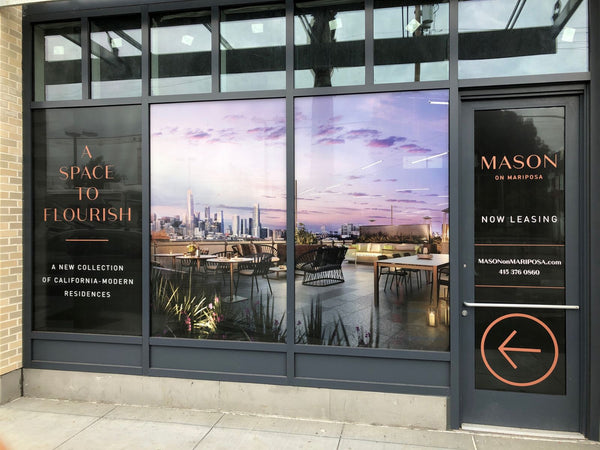
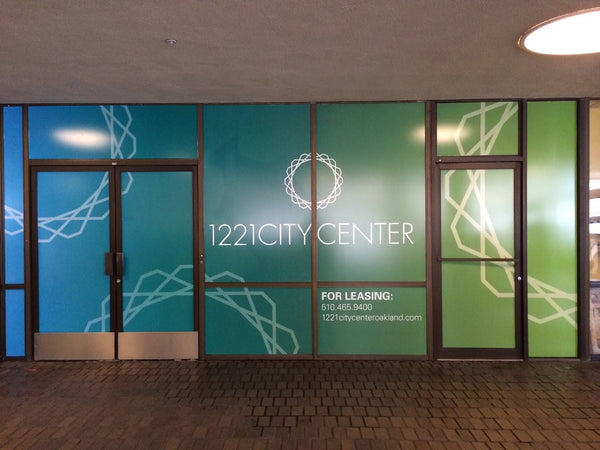
Window graphics are one of the most cost-effective ways to transform a restaurant's storefront. They can display your logo, brand colors, hours, specials, or seasonal promotions all without the cost of a full exterior sign replacement. Because they're relatively easy to update, window graphics also give you flexibility to promote limited-time offers or seasonal menu items without committing to permanent signage changes.
A-Frame and Sidewalk Signs: Capturing Foot Traffic
For restaurants on pedestrian-heavy streets, a well-placed A-frame or sidewalk sign can be one of the highest-return signage investments available. These portable signs let you:
- Advertise daily specials or limited-time promotions
- Highlight simple, high-conversion messages like "We deliver" or "Now open"
- Refresh your message daily or weekly, especially with a chalkboard-style sign
- Capture the attention of people already walking by, who may not have otherwise noticed your storefront
Menu Signage: Boards, Digital Displays, and Stands
How you display your menu outside or just inside your restaurant depends heavily on your concept:
- Traditional menu boards work well for quick-service and casual restaurants where customers expect to browse before ordering.
- Digital menu boards offer flexibility to update pricing, specials, or seasonal items instantly, and can support rotating promotions without reprinting costs.
- Menu stands near the entrance give passersby a preview before committing to walk in particularly useful for restaurants relying on foot traffic decision-making.
Fine dining establishments are often the exception here guests in that setting typically expect to be handed a menu at the table rather than reading one from the street, so exterior menu displays may not fit that brand experience.
Hand-Painted and Custom Signage for Brand Personality
Not every restaurant benefits from a sleek, modern sign. A rustic, hand-painted sign can communicate warmth, craftsmanship, and a cozy dining experience in a way that a minimalist illuminated sign simply can't. The right signage style should match your restaurant's actual identity an elegant, upscale restaurant generally calls for a refined, minimalist design, while a neighborhood diner or bakery might lean into a more artisanal, hand-crafted look.
Interior Signage: Don't Stop at the Storefront
Exterior signage gets a customer in the door, but interior signage continues shaping their experience:
- Menu boards and specials displays behind the counter or bar
- Wayfinding signage for restrooms, order pickup, or seating areas
- Wall graphics and murals that reinforce brand identity and create a memorable atmosphere
- ADA-compliant signage, which is often legally required for restrooms, entrances, and other interior spaces
Interior signage is also a strong opportunity to reinforce your brand story many restaurants use wall graphics, framed elements, or custom lettering to add personality to the dining space itself.
Digital and Interactive Signage
More restaurants are incorporating interactive digital signage from digital menu boards customers can browse to self-order kiosks. These options work particularly well for quick-service and fast-casual concepts, offering flexibility for pricing updates and the ability to feature high-quality food photography that drives impulse orders.
Sustainability as a Signage Statement
As diners increasingly consider a restaurant's environmental values, signage made from eco-conscious materials reclaimed wood, recycled materials, or natural elements can quietly reinforce a sustainability-focused brand, particularly for organic, farm-to-table, or health-oriented concepts.
Signage Tips by Restaurant Type
| Restaurant Type | Signage Approach That Tends to Work Well |
|---|---|
| Fast-casual / quick service | Bold, high-contrast colors; illuminated channel letters; digital menu boards |
| Fine dining | Minimalist, elegant design; understated exterior signage; menu presented at the table |
| Neighborhood café or bakery | Hand-painted or dimensional lettering; warm color palette; A-frame specials board |
| Farm-to-table / health-focused | Earth tones and greens; natural materials; simple, honest messaging |
| Bar or nightlife-focused restaurant | Backlit or neon-style signage for strong nighttime visibility |
Common Signage Mistakes Restaurants Make
- Prioritizing style over legibility - a beautiful sign that's hard to read from the sidewalk isn't doing its job.
- Ignoring nighttime visibility, especially for restaurants with significant dinner or late-night business.
- Inconsistent branding between exterior signage, interior décor, and menu design.
- Skipping permitting research, which can lead to delays or forced redesigns after installation.
- Never updating signage, even as the brand or menu evolves signage that looks dated can quietly undercut an otherwise strong dining experience.
Getting the Permitting Right
Most municipalities, including San Francisco, require permits for exterior restaurant signage and rules can vary depending on illumination, projection over public sidewalks, and whether the building sits in a historic district. Working with a sign company experienced in local permitting can help avoid delays that push back your opening date or promotional timeline.
How Martin Sign Company Helps Restaurants Stand Out
Martin Sign Company has helped restaurants across San Francisco and the Bay Area design signage that matches their brand and draws in foot traffic from illuminated channel letters and dimensional lettering to window graphics, hand-painted signs, and interior wayfinding. Our in-house team handles the full process, including design, permitting, fabrication, and installation, so restaurant owners can focus on running their business instead of coordinating multiple vendors.
Contact Martin Sign Company today to talk through signage ideas for your restaurant, and let's design something that turns passersby into customers.
Frequently Asked Questions
What type of restaurant sign attracts the most customers?
Illuminated signs with clear, legible branding tend to perform especially well, since they remain visible day and night and stand out in busy commercial areas.
What colors work best for restaurant signage?
It depends on your concept red and yellow are commonly used to stimulate hunger and energy, while green and earth tones tend to suit health-focused or farm-to-table restaurants. High contrast and legibility matter more than any single color choice.
Do restaurants need a permit for exterior signage?
In most municipalities, including San Francisco, yes. Requirements vary depending on illumination, sidewalk projection, and building type, so it's worth confirming with a local sign company before finalizing a design.
How often should restaurant signage be updated?
Promotional signage like A-frames or window graphics can be updated weekly or as needed, while permanent exterior signage is generally refreshed every few years or when a brand undergoes a significant update.
Is window signage worth it for a small restaurant?
Yes, window graphics are one of the most cost-effective ways to add branding and promote specials, and they're relatively easy to update compared to permanent exterior signage.